
Sven Slootweg (soft-deprecated) @joepie91@pixie.town
- Future new account
- @joepie91@slightly.tech
- Matrix
- @joepie91:pixie.town
- Pronouns
- they/them, he/him, whatever, it's not like I have any idea either 🙃
In the process of moving to @joepie91. This account will stay active for the foreseeable future! But please also follow the other one.
Technical debt collector and general hype-hater. Early 30s, non-binary, ND, poly, relationship anarchist, generally queer.
- No alt text (request) = no boost.
- Boosts OK for all boostable posts.
- DMs are open.
- Flirting welcome, but be explicit if you want something out of it!
- The devil doesn't need an advocate; no combative arguing in my mentions.
Sometimes horny on main (behind CW), very much into kink (bondage, freeuse, CNC, and other stuff), and believe it or not, very much a submissive bottom :p
My spoons are limited, so I may not always have the energy to respond to messages.
Strong views about abolishing oppression, hierarchy, agency, and self-governance - but I also trust people by default and give them room to grow, unless they give me reason not to. That all also applies to technology and how it's built.
Joined Aug 2019
Sven Slootweg (soft-deprecated)
boosted
periodic reminder that your language's standard library may have "join paths safely" and "join URL segments safely" functions, and you should use them
if it doesn't, and you're working with paths or URLs, you should write them and then use them
I am going to smack the next person who imposes a "this base URL/path must/must not have a slash on the end because we blindly concatenate it with a relative path that doesn't/does start with a slash" requirement on a configuration value

Sven Slootweg (soft-deprecated)
boosted

"Here are the illustrations for your history book," the artist said.
"Thanks, very g- Is this man using an iPod?"
"Very iconic of the early 21st."
"This is a history of the Post-Capitalism Neorenaissance, starting 2027! The iPod was outmoded then."
"It's centuries ago, who will notice?"
"Me!"
@NanoRaptor "Here Are All The Standard Medical Narratives And Expectations You Should Ignore Because They Will Not Apply"
(The chapter is an indeterminate number of pages)
@serapath It's odd because your traceroute doesn't look very different from mine, and it suggests that you *are* actually reaching the network that the server is on.
Can you DM me the IP address that you tried to access it from? So I can see if there's anything in my server-side logs relating to it.
@jollysea@chaos.social To clarify, for point 1, when dealing with an external drive, the problem is likely the internal SATA connector/cable and not the USB cable.
@jollysea@chaos.social Any of the following (not exhaustive) can be the cause:
1. Cable not plugged in quite right, usually also will show as intermittent I/O errors in system logs. Solve by replugging.
2. Intermediate controller does not support SMART. Sometimes a problem with some external HDD cases in particular. Solve by replacing with known-good case/controller.
3. Firmware of intermediate controller is junk and sometimes randomly fails to work for SMART. Same deal, replace with known-good case/controller.
4. Weird *drive* firmware configuration. Most common in refurbished/OEM drives, especially those sold as being for a specific model of rack server. Can sometimes be fixed with hdparm magic. Sometimes requires vendor-specific (usually Windows-only) tools.
@rune The big lifehack for me (back when this still mattered for work) was realizing that if you line-dry your clothes instead of tumble-drying them, nobody is going to complain that you didn't iron them
Sven Slootweg (soft-deprecated)
boosted
Sven Slootweg (soft-deprecated)
boosted
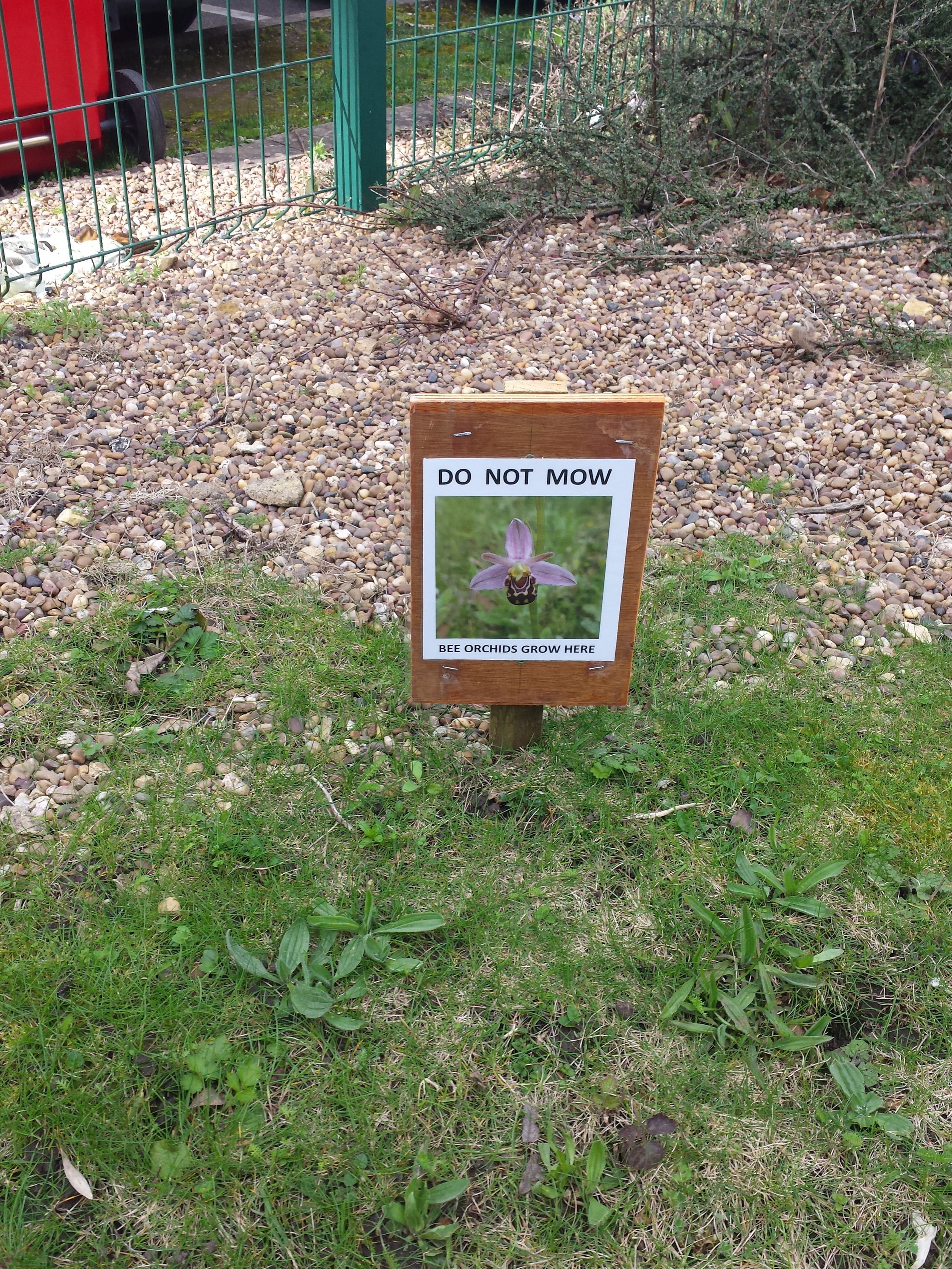
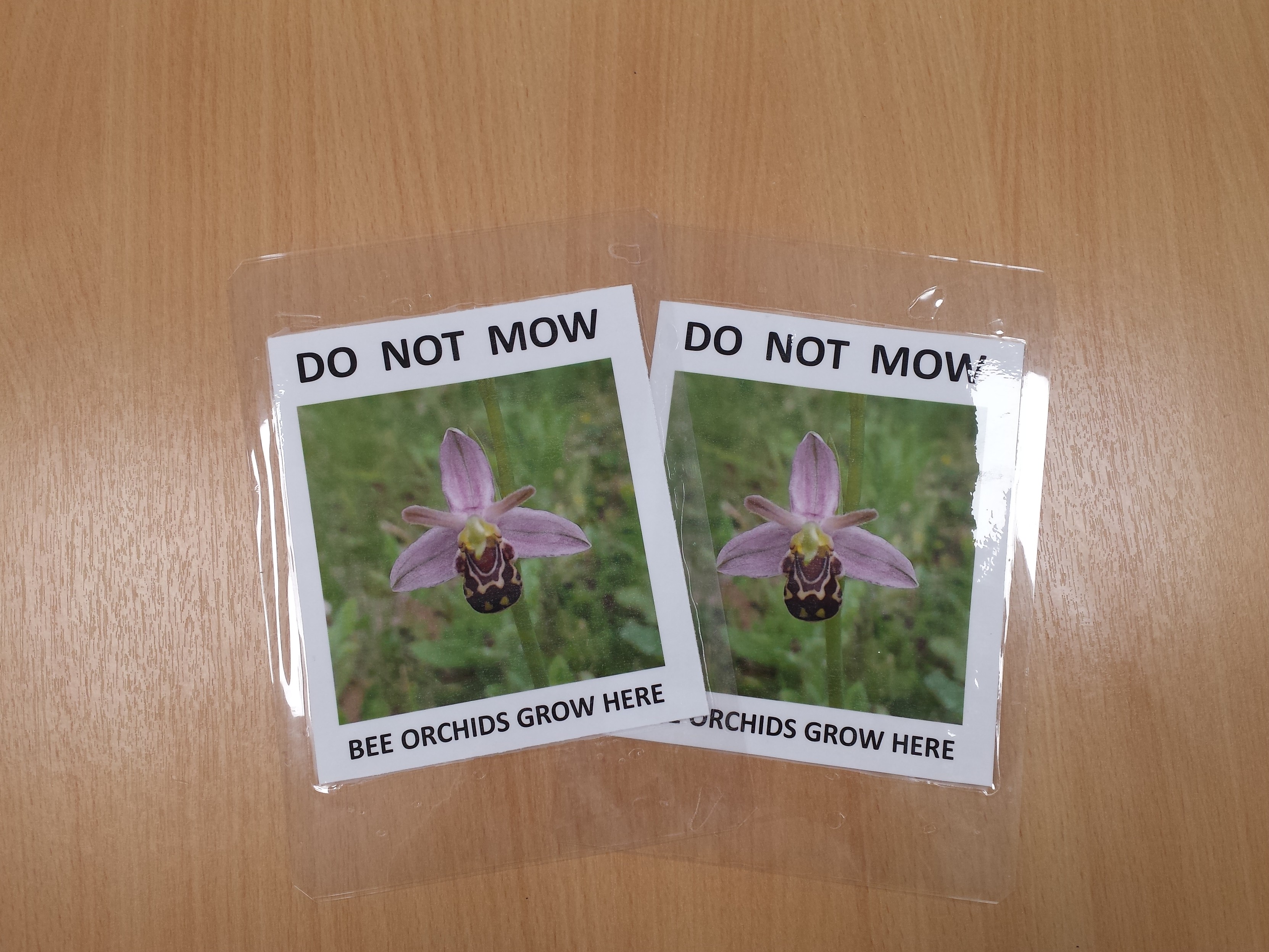
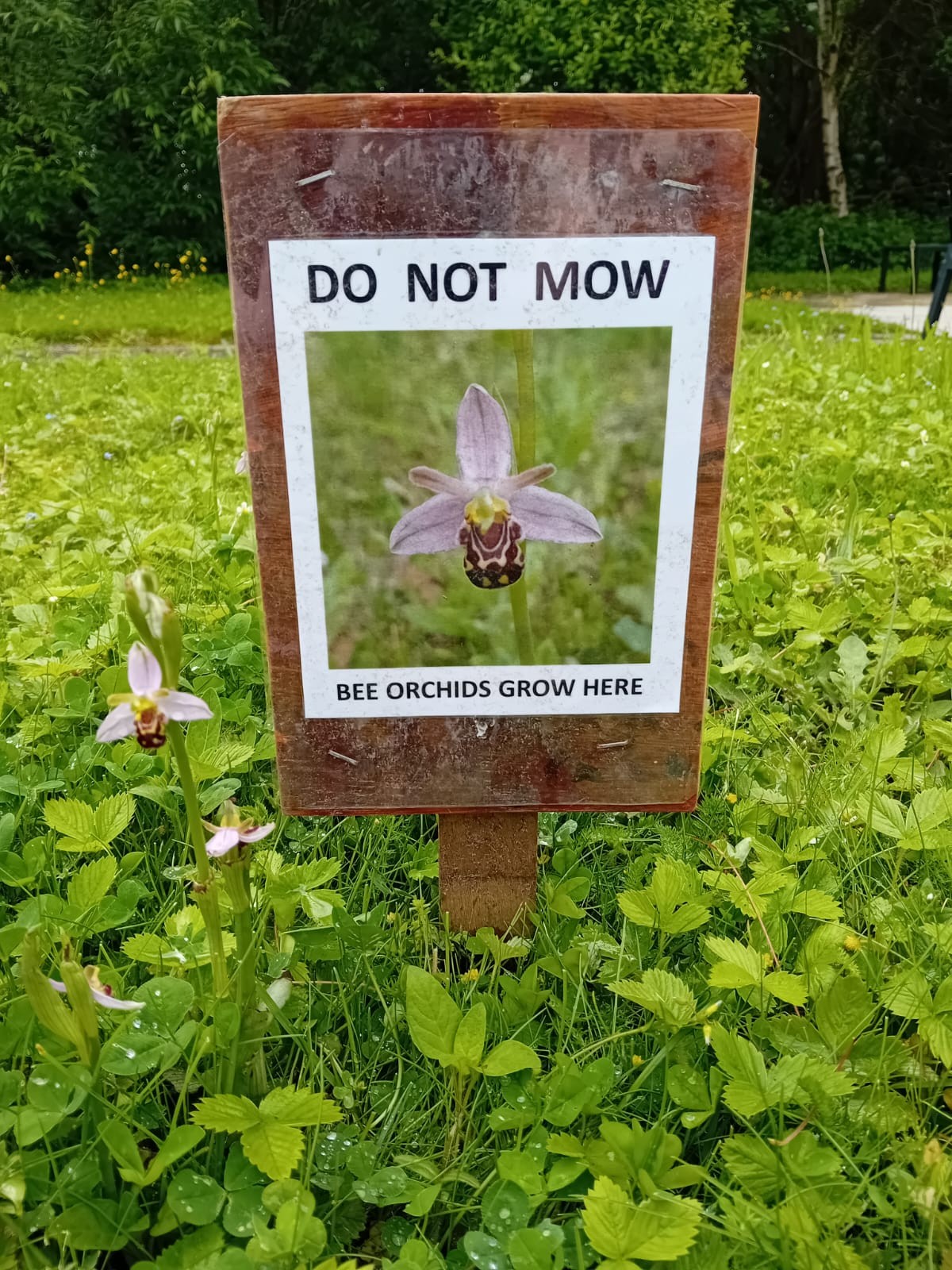
Bee orchids used to grow at our old work yard. Many other wildflowers too.
The new commercial tenants cut the grass short all year round though.
I have no authority over any of this, but I'm going to try and put it right.
Sven Slootweg (soft-deprecated)
boosted
Sven Slootweg (soft-deprecated)
boosted

robot gf who has to help its human gf solve a captcha since they became unreasonably hard yet still are not effective against bots
Sven Slootweg (soft-deprecated)
boosted

captchas are just supposed to tell computers and humans apart right? so what if the intended mode for captchas by now is just succeeding for bots and failing for humans?
Sven Slootweg (soft-deprecated)
boosted

@venite mijn favoriet is als je in een reflex op Esc drukt om de autocorrect te annuleren, en daarmee het hele formulier sluit
re: vienna public transport PSA
@navi FWIW this can be something as trivial as someone falsely hitting the fire alarm, those are often wired directly into the station evacuation system AFAIK
Sven Slootweg (soft-deprecated)
boosted

Ga niet naar Amerika. Je mooie Westerse paspoort is niets waard. https://mastodon.social/@sjvn/114094666462646092
@existential1 There are a number of 'local models' (ie. not running on someone else's server), but they're most likely all still trained through labour exploitation and mass scraping of other people's work (though of course the vast majority of them don't tell you what they were trained on to begin with). The energy levels required are different between models, but still very high for all of them.
I'd say that there are no good options, only slightly less bad ones, and that this will likely remain true forever due to the fundamental technical requirements of LLMs as a technology (namely, training data at a scale that cannot credibly be obtained ethically).
Sven Slootweg (soft-deprecated)
boosted

Hey folks, there has been a fair bit of discussion this week regarding what the community expects from data dumps, and I've realised that obfuscating WiFi AP identifiers may actually be interfering with what the community wants: portable, open data - not some restrictive binary blob.
How would people feel if AP MAC+SSIDs were plaintext in the dumps, instead of obfuscated like originally planned? If an AP moved, it would still be blocked from the database for at least a year to prevent tracking.
@existential1 In my last evaluation about a year ago, zero open-source LLMs that actually worked existed (although plenty existed that *claimed* to be open-source, but weren't)

- Future new account
- @joepie91@slightly.tech
- Matrix
- @joepie91:pixie.town
- Pronouns
- they/them, he/him, whatever, it's not like I have any idea either 🙃
In the process of moving to @joepie91. This account will stay active for the foreseeable future! But please also follow the other one.
Technical debt collector and general hype-hater. Early 30s, non-binary, ND, poly, relationship anarchist, generally queer.
- No alt text (request) = no boost.
- Boosts OK for all boostable posts.
- DMs are open.
- Flirting welcome, but be explicit if you want something out of it!
- The devil doesn't need an advocate; no combative arguing in my mentions.
Sometimes horny on main (behind CW), very much into kink (bondage, freeuse, CNC, and other stuff), and believe it or not, very much a submissive bottom :p
My spoons are limited, so I may not always have the energy to respond to messages.
Strong views about abolishing oppression, hierarchy, agency, and self-governance - but I also trust people by default and give them room to grow, unless they give me reason not to. That all also applies to technology and how it's built.
Joined Aug 2019
