

Forest @forestjohnson@pixie.town
- member of
- https://cyberia.club
- webmaster @
- https://capsul.org/
I am a web technologist who is interested in supporting and building enjoyable ways for individuals, organizations, and communities to set up and maintain their own server infrastructure, including the hardware part.
I am currently working full time as an SRE 😫, but I am also heavily involved with Cyberia Computer Club and Layer Zero
Joined Feb 2021
@notplants I don't know. I'm still working on "become ungovernable" myself ;P
@lexfeathers At any rate, the SVG that has the stroke on it might have to be flying on top of everything else, not necessarily interacting with the layout.
Like position: absolute inside position: relative, and z-index or something, I don't know. I would have to play with it to figure it out.
@lexfeathers Right, yeah, based on looking at this, I wonder if you could simply apply a stroke to your existing SVG that's being used as the clip path.
https://css-tricks.com/clipping-masking-css/#aa-using-clip-path-with-an-svg-defined-clippath
Also, I just realized I, uh, necroposted on something from month ago 
Help me understand, this is a div that has a transparency mask which is specified by a SVG bezier curve path. Is that correct?
I've never used one of those before so I don't really know how they work. I don't know if the div is inside the SVG or if the SVG is external to the div and kind of applies as a filter or what.
But regardless of how it works, as long as you can somehow create a separate SVG image that has the same path inside that is overlaid on top of the div with the exact same dimensions, you should be able to apply a stroke to it that way. It's hacky but it should work.
Assuming this is what I think it is, I don't think CSS border image is going to do exactly what you want here.
At any rate, providing a link to the web page or to the source code which would allow someone to render the web page in a browser fairly easily, would really help here. Web hackers love nothing more than opening up the developer tools and messing with someone's site to demonstrate a point.
Forest
boosted

The name “JPEG XL” implies the existence of other next-generation file formats such as:
• Big PDF
• MP3 Pro Max
• SVG Deluxe
• 7Zip 7Furious
• DOCX-treme
• GIF Supreme

The classic:
> "how many times did you reboot it?"
tech reality really is stranger than fiction
@notplants Yeah, and even Caddy is no perfect savior here because it is still doing the happy path only, with some logging that is not exactly intuitive when it doesn't work. And it has to deal with DNS caching issues. which are generally impossible to deal with in a user friendly way.
@notplants Also obligatory caddy shilling, I guess.
@notplants Didn't they recently add a Acme client into nginx itself?
Forest
boosted
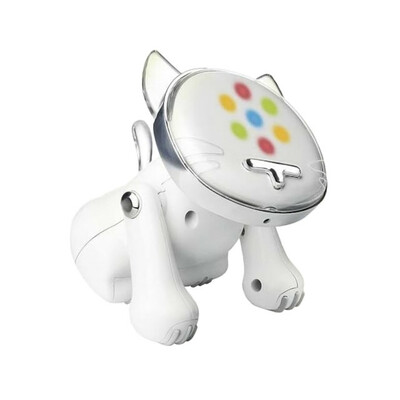
forgejo's mascot, Forge Joe
Forest
boosted
12 drummers drumming, 11 pipers piping, 10 lords a-leaping, 9 ladies dancing, 8 maids a-milking, 7 swans a-swimming, 6 geese a-laying, 5 golden rings, 4 calling birds, 3 French hens, 2 turtle doves, and a partridge in a pear tree? in this economy??
@mlncn works from us internet
@kawaiipunk I was abt to ask who Antone is 😅 I'll have to check it out
@hylst don't tell homer
Forest
boosted

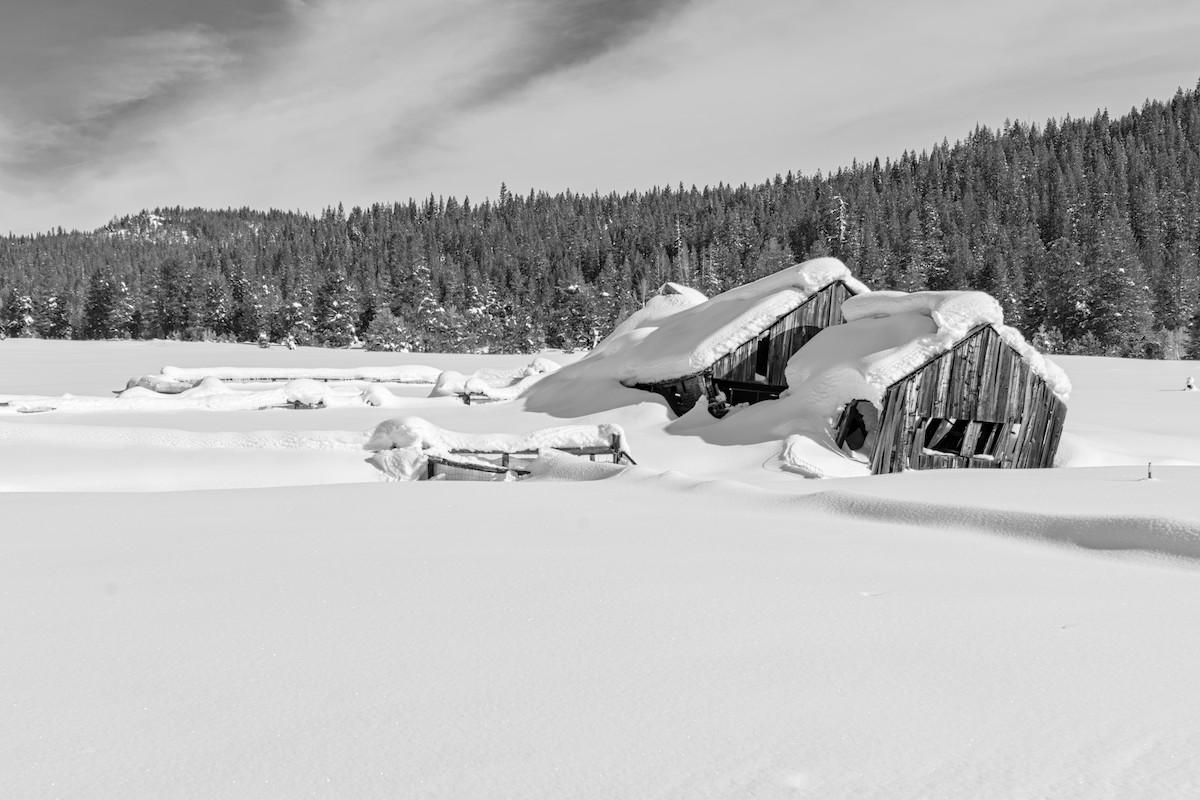
I just donated to the fediverse instance I use, mastoart.social. In an otherwise rapidly enshittifing online space decentralized social media needs your support. If you are able, please consider donating to your instance! Thanks so much @bestiaexmachina & @Kitty for allowing me to use your instance & happy whatever y'all celebrate at this time of year!
#Nonprofit #Donation #Fediverse #Mastodon #Holidays #NewYear #BlackAndWhite #Landscape #Photography #Darktable #Christmas
@mossfet I don't immediately have an alternative implementation to offer, But this is something that has bugged me about activity pub after looking at how it works under the hood.
@mossfet activity pub requires that every single data object (json object) or "activity", like a post or a boost or a like, requires an ID property, and realistically the ID property must be a single https URL.
I can understand why it's like this. It makes activity pub much easier to implement and similar to " the web " in general.
But it also makes activity pub servers especially precarious. They're harder to maintain, harder to cooperate on, easier to censor, and their users must accept more risk.
As a contrasting example, Matrix has a concept of a room which is very central to everything that it does. The room ID may specify a specific home server domain name, but even if that home server disappears forever, the room can still live on other home servers and all of the authentication and authorization mechanisms continue to work. The same is not true on activity pub. If your servers domain name is seized by ice or fails to be renewed because somebody's credit card got rejected, then you are SOL.
I guess I have a slightly different way of saying roughly the same thing I think,
that we should apply the principles of usability and design to The entire software lifecycle, especially focusing on the development part and the operation part, Since they have been neglected entirely by the corporate world. (just hire professionals, then it doesn't need to be "usable", they will figure it out anyway.)
And I think that approach kind of subconsciously leaks out into the hobby and non-corporate open source space as well. In large part simply because usability is very difficult, expensive and often humiliating work to do.
@dgar My dad asked if this was the Great Duck Spot.
- member of
- https://cyberia.club
- webmaster @
- https://capsul.org/
I am a web technologist who is interested in supporting and building enjoyable ways for individuals, organizations, and communities to set up and maintain their own server infrastructure, including the hardware part.
I am currently working full time as an SRE 😫, but I am also heavily involved with Cyberia Computer Club and Layer Zero
Joined Feb 2021
